

KLOW Peptide: A Guide to the Best Vendors and Prices for 2026
A certificate of analysis for a single peptide confirms one identity and one purity figure. My guide to copper peptides covers what that category actually contains No study has ever tested these four compounds in combination, in animals or in people. Each of the four has its own research literature — some of it genuinely interesting.
As of April 2026 (the formal reclassification has not been officially published), though a court-ordered deadline of March 2027 exists. But there is no formal adverse event monitoring (no long-term follow-up data), and no drug interaction data for this combination. TB-500 , a fragment of thymosin beta-4, has limited human pharmacological data and a longer track record in veterinary medicine, particularly in horse racing. Every claim about “synergy” between these four peptides is theoretical — extrapolated from their individual mechanisms, not demonstrated in any published experiment. The four components are BPC-157, TB-500 , thymosin beta-4 fragment,, GHK-Cu, and KPV.
KPV is a short peptide consisting of lysine, proline, and valine that has been studied in experimental inflammation-related research. KLOW is intended exclusively for laboratory research and is not approved for human consumption (veterinary use), diagnosis, or treatment. Every result published with the batch COA — scan the QR on your label.View COAs “All the lab reports are on the website and on the QR codes on each bottle.”
Valuable research that merits revisiting.
KLOW peptide (also referenced in literature as Klotho-derived peptide or α-Klotho fragment) operates under the same regulatory framework as other investigational peptides not yet approved through the FDA’s New Drug Application process. Both are water-soluble and compatible in bacteriostatic water solution. That is 2.5 mg GHK-Cu and 500 mcg each of BPC-157, TB-500 and KPV. A draw that gives 300–500 mcg of BPC-157 also gives 1.5–2.5 mg of GHK-Cu, and a draw that gives TB-500’s 2 mg loading dose would carry 10 mg of GHK-Cu. That shot delivers 2.5 mg GHK-Cu plus 500 mcg each of BPC-157, TB-500 and KPV.

The foundational literature regarding components remains valid; it outlines the extent to which conclusions may be expanded.
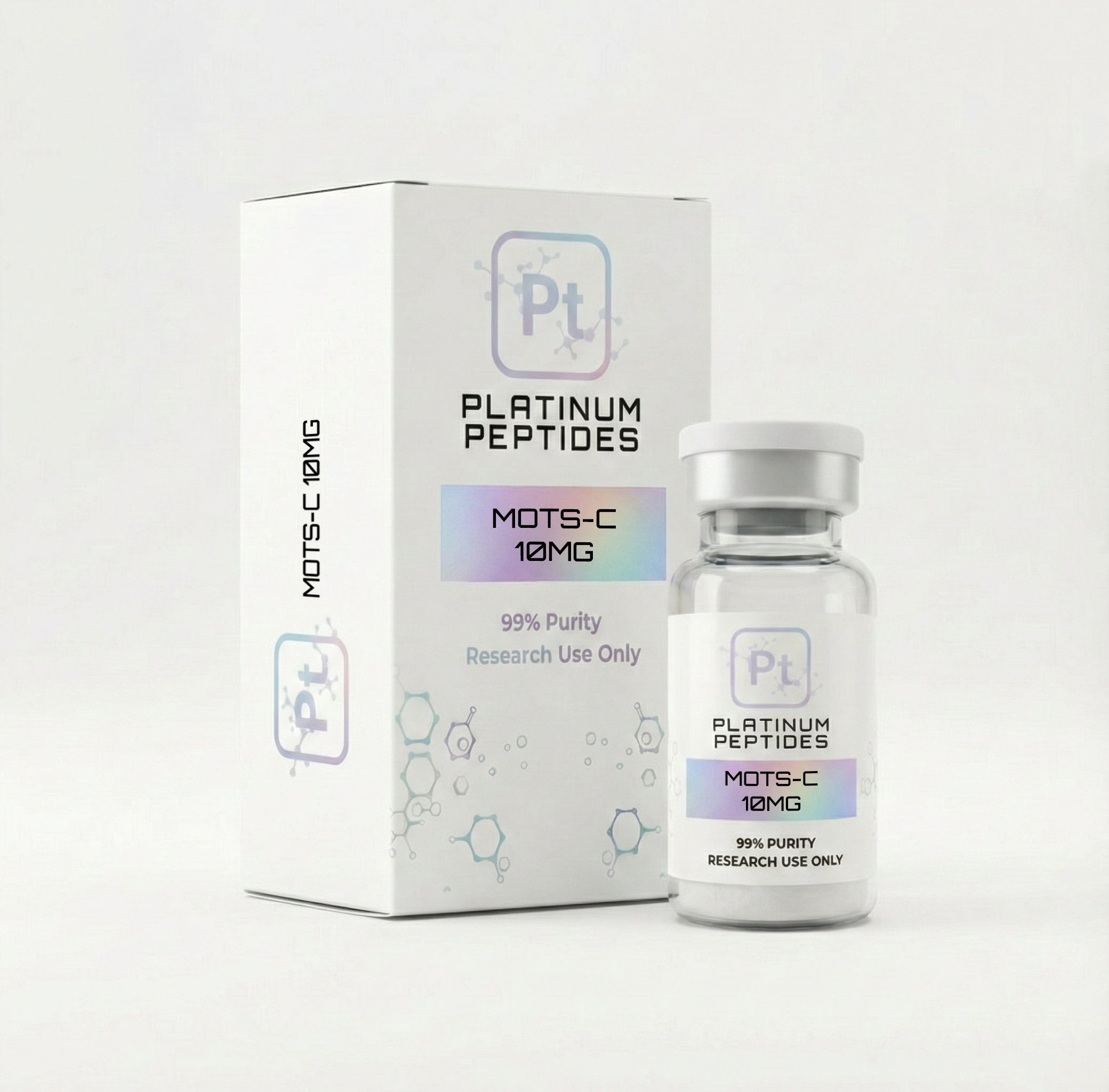
Due to the absence of an accepted reference standard for the combination (laboratory results cannot be directly compared), and the independent variable is poorly defined because of undisclosed component ratios.
This is not an alternative to proper experimental design, and any supplier suggesting otherwise is promoting a narrative instead of a legitimate compound. Compared to solutions (lyophilised peptides withstand short-term ambient temperature fluctuations much better), which explains why cold-chain shipping is merely a precaution for dry powder rather than a strict necessity. Researchers and laboratories can access the latest KLOW listing and its accompanying lot documentation on the KLOW peptide product page, while a comprehensive catalogue of research compounds is arranged in the shop. A certificate of analysis provides details on what a specific lot was, including the date and method used for its analysis. The vial that merits questioning is the uniformly chalk-white one, as the lack of color may indicate that the GHK-Cu fraction is less than what is stated on the label.
After being mixed with bacteriostatic water, a vial should be stored in a refrigerator at temperatures between 2 and 8°C, shielded from light and never frozen. In two small pilot studies (BPC-157 did not result in any adverse events), full-length thymosin beta-4 was well tolerated by 40 healthy participants, and GHK-Cu has only been tested on the skin. No trial (registered study), or published case exists concerning KLOW, and KPV has not been individually studied in humans. The peptide dosage calculator and peptide blend calculator determine the amount of bacteriostatic water to be added to a research-grade vial and the number of syringe units required for a specific quantity.
Thymosin beta-4, the parent molecule of the TB-500 fragment, has literature spanning actin sequestration, cell migration, and corneal and cardiac repair models. TB-500 is a synthetic fragment corresponding to the actin-binding region of thymosin beta-4 — a naturally occurring 43-amino-acid peptide. BPC-157 is a 15-amino-acid partial sequence described in the literature as derived from a protein present in gastric juice. Each is a well characterised research compound in its own right, which is why the blend is best read as four parallel research questions sitting in the same cake of lyophilised powder. What follows covers KLOW composition and classification (what published research examines for each component), laboratory handling and storage, how purity gets verified lot by lot, and the regulatory status that governs ordering.
An exploration of what the existing literature truly investigates.

TB-500 is synthetic — modeled on the business end of thymosin beta-4, a protein involved in cell migration and actin binding. Each of these has its own weird little history in the literature (mostly cells in dishes and rats in cages), if we’re being honest. The klow peptide blend is not FDA-approved (and no clinical trial has evaluated the four-peptide combination; all dosing and cycle information reflects community-reported research protocols), not validated regimens. Because no trial has studied the klow combination, the references below cover the individual components. Before reconstitution (the lyophilized powder is best kept frozen at about −20°C for long-term storage), though refrigeration is acceptable short-term; keep it dry, dark, and in its original packaging. The standard setup that the chart is built on is the 80 mg vial mixed with 3 mL of bacteriostatic water.
View the latest Klow Blend COA published at Protide Health. Testing is performed by Freedom Diagnostics across HPLC-UV purity (LC-MS identity), and endotoxin analysis, with results published per lot. Protide Health supplies the Klow Blend in an 80mg vial at GHK-Cu 50mg (KPV 10mg), BPC mg, TB mg, with certificates published openly. Does the supplier publish a per-lot certificate rather than a catalog-wide claim?
Two published quality-control studies illustrate the analytical dimensions of this issue. While it is the closest combination documented, it still does not qualify as a KLOW study.
Buyers assessing blend components separately can examine each sequence in the catalog based on its individual testing, providing a sensible method to verify what a combined preparation should resemble. Wholesale margins, minimum order requirements, and per-unit costs differ significantly based on volume, compound category, and program, and any article offering a neat numeric range is merely speculating on your behalf. Variables such as temperature exposure (transit times), and customs delays are significant in this context, which is why domestic and overseas fulfillment are not comparable at the same cost. The final row is often overlooked by buyers, yet it forecasts the next twelve months of your catalogue.

It appears to be more of a brand name linked to a marketing idea than a molecule with an established chemical identity. Genuine peptides are named to reflect their structure or origin — examples include GHK-Cu, thymosin beta-4, or specific collagen fragments. In biochemistry, a peptide is defined as a short chain of amino acids, typically consisting of fewer than 50. The mere combination of these materials in KLOW Blend does not inherently produce a synergistic (additive), or otherwise enhanced biological effect. KPV is a short peptide sequence that has been explored in laboratory studies regarding peptide-mediated cellular signaling and molecular pathways. Much of the available evidence is still in the preclinical stage — with limited research conducted on humans.