

Roulette strategy for jeu zero: what to weigh before you play
Deciding where to place your chips starts with reading the table, not just the welcome screen. A solid roulette strategy for jeu zero depends on how the operator supports the zero pocket, how the rules sit behind it, and whether the house edge is presented in plain English. If you are weighing a session at a local club or online, the maths around zero does not change, but the support around it should.
I have spent years structuring talent activations and sponsorship deals where the activation window is tight and the audience is tuned in from the first minute. The same discipline applies here: a clear brief, a fair edge, and a support team that answers before the spin slows. When a casino treats the zero pocket as an afterthought, the whole table feels patched together.
How the zero pocket changes the maths

The zero is where the house edge lives, and the way a table handles it shapes every bet you make. European wheels keep a single zero, which trims the edge compared with the American double-zero layout, but the difference only matters if the rules around it are honest. Look for a table that states the house edge plainly, pays the zero bets consistently, and does not quietly shift the odds through rule variants that only show up after you have already placed chips.
I watched a friend work a Cairns pub table on a wet arvo, tracking the zero pocket across a long session while the rain hammered the windows. He did not chase the zero with aggressive outside bets; he tracked how often the zero hit relative to the posted odds, then adjusted his unit size to the rhythm of the wheel. That kind of patient reading beats any loud tip sheet.
A roulette strategy for jeu zero works best when the table’s rules are written down where you can see them, not buried behind a help tab. If the operator does not spell out how the zero is treated on splits, neighbours, or special call bets, you are guessing at the edge rather than managing it.
| Detail | What it means for the table |
|---|---|
| Zero pocket | Single zero on European-style tables, the main source of house edge |
| Edge display | House edge shown plainly on the table page, not hidden in fine print |
| Rule variants | Clear treatment of zero on splits and call bets before you bet |
| Session pacing | Unit size adjusted to the wheel’s rhythm, not to a streak |
Trust, security and the support you actually get
A table can look fair on paper and still leave you stranded when something goes wrong, so the operator’s licence, security setup, and support channels matter as much as the wheel. A legitimate operator holds an active licence from a recognised jurisdiction, runs encryption on the connection, and makes its privacy terms easy to find without making you hunt through three menus. Support should be reachable through more than one channel, with response times that match the pace of a live session.
I have negotiated media rights where a delayed response from the rights holder cost a whole activation window, and the lesson carried straight into how I read a casino’s support setup. If a team cannot confirm a withdrawal status or explain a verification step within a reasonable window, the table is not the only thing being tested.
When you are reading a roulette strategy for jeu zero, check that the operator offers account controls that fit a real session: deposit limits, time reminders, and a clear way to pause play without burying the option in a settings submenu. Privacy should be stated in plain terms, and any data use tied to marketing should be something you can opt out of without a phone call. A table that respects those controls is easier to read when the zero pocket turns up at the wrong moment.
You should also see whether the platform publishes its payout breakdowns and dispute steps in a place you can reach without digging through multiple pages. If the terms feel vague or the support options seem hidden, it is worth stepping back and comparing how other licensed operators handle the same details. For a practical walkthrough of these checks and what to look for in a transparent setup, visit elvis frog trueways for vegas rock vibes at https://elvisfrogtruewaysau.com/enaus/.
Reading the table before you spin
The practical side of a roulette strategy for jeu zero starts with how the table presents its bets, its limits, and its pacing. Some tables favour smaller, repeatable outside bets that keep the variance manageable, while others lean into call bets that cover neighbours of zero and leave you exposed to a single pocket. The right choice is the one that matches your bankroll, your patience, and the way the table displays its limits.
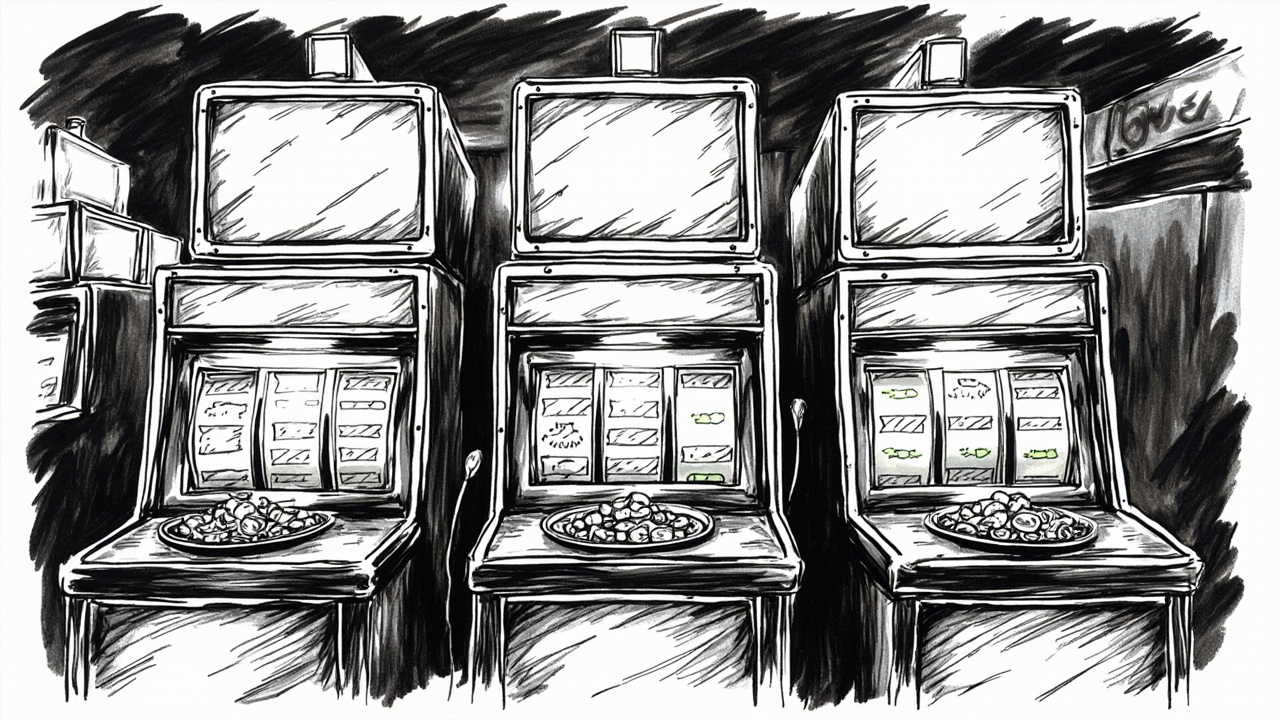
I once sat beside a regular at a Cairns riverside venue who treated the table like a booking schedule, not a lottery. He set a session cap in his head before the first spin, marked where the zero sat relative to the called neighbours, and stepped back when the rhythm felt off. Nothing dramatic, just a quiet discipline that kept the session readable.
A roulette strategy for jeu zero is easier to hold when the table’s betting limits are visible before you commit, and when the payouts for zero-related bets are listed without a scavenger hunt. If the operator makes you click through layers to find the edge or the limit table, that is a hint about how the rest of the session will feel. The goal is not to outsmart the wheel; it is to choose a table whose rules you can actually read in real time.
Where the operator earns its keep
The parts of an operator that sit outside the wheel still shape how a session goes, especially when you are trying to keep a roulette strategy for jeu zero steady from one spin to the next. Registration should be straightforward without asking for details that do not belong in a table game, and the payment options should match the currencies you actually use. Mobile play should keep the table readable on a phone without shrinking the bet controls into a corner, and the loyalty setup should reward steady play without nudging you to chase the zero with bigger units.
I have managed brand activations where the talent, the venue, and the broadcast window had to line up exactly, and a loose hand on any one of those pieces ruined the whole night. An operator earns its keep the same way: the games load cleanly, the payments move without surprises, and the support team is there when a session needs a hand rather than when a complaint is already cold.
When you are weighing a roulette strategy for jeu zero, give the operator’s mobile layout and loyalty terms the same attention you give the wheel. If the table is fair but the app buries the limits, or the loyalty points reward only heavy betting, the session gets harder to manage before the first zero even shows. The operator should make the table easier to read, not louder.
If you want a session that feels more like a planned activation than a lucky dip, take the table’s edge, its support, and its limits as the first things you check, not the last. A roulette strategy for jeu zero holds up when the operator respects the maths, keeps the rules visible, and lets you back out of a session without making you work for it. The zero will always be there; the difference is whether the table around it helps you read it or just hopes you do not notice.
