

How RNG Scratch Cards Run Behind the Screen
H1: Inside the Randomness of Casino RNG Scratch Cards
Most Aussie punters have scratched a physical ticket at a club or TAB, so the move to casino rng scratch cards feels familiar until you notice the lack of paper. There is no foil to peel, just a tap on glass and a result generated by a certified random number generator. I have spent years mapping wagering flows at Picklebet, and the same discipline applies here: the interface must feel instant, but the backend still needs the same rigour you would expect on a racing market or a live iGaming table. When a session opens in Hobart on a wet arvo, the expectation is simple. Pick a card, commit the stake, and let the algorithm decide. The trick is knowing what happens between that tap and the payout notification.
Understanding the Digital Scratch Mechanic
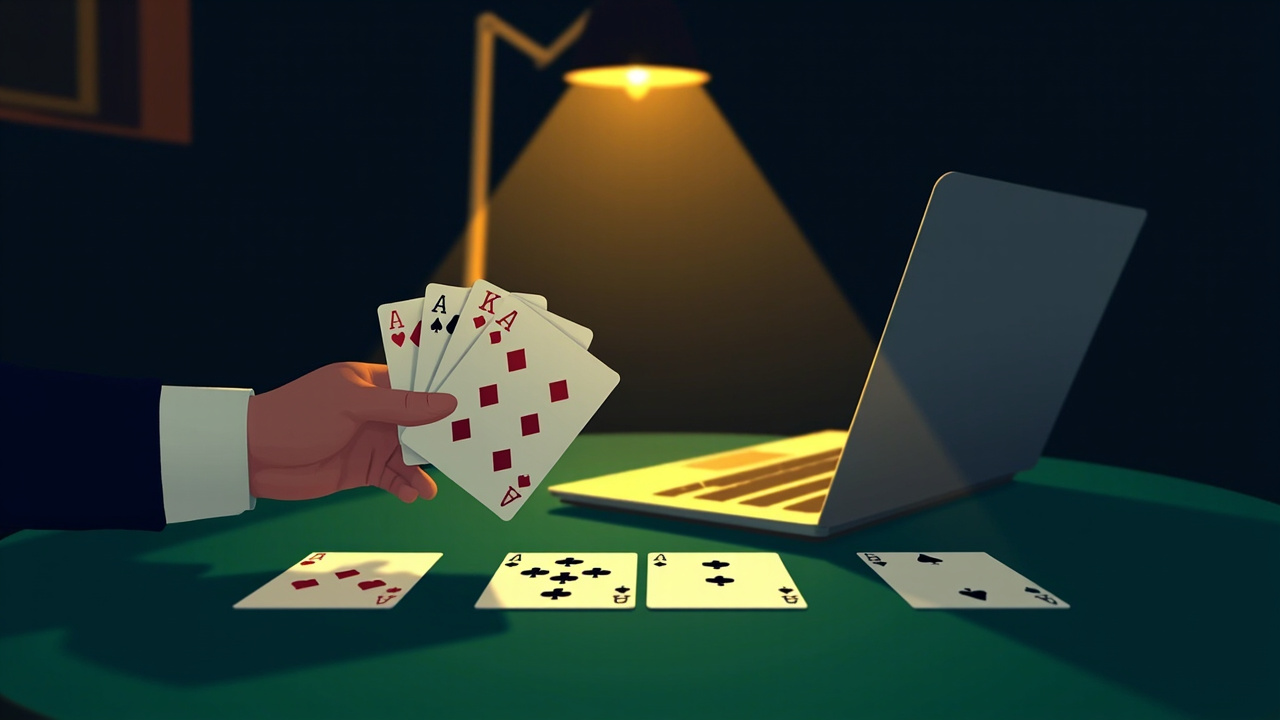
The first thing worth separating is the entertainment layer from the maths underneath. Physical scratchies rely on pre-printed ink and a fixed distribution of winners per print run. Casino rng scratch cards replace that print run with software that draws a result the moment you commit funds. From a product standpoint, that means the thrill is identical but the predictability is not. You are not peeling back a silver panel to reveal a prize; you are triggering a verified outcome that the platform already prepared but could not pre-select for your specific tap.
Digital equivalents, however, often shift the focus toward immediate engagement and promotional incentives rather than physical print runs. Players looking for added value might explore platforms that offer specific welcome rewards or ongoing promotions. You can find details on available offers, such as the rocketplay no deposit bonus codes 2026 for existing players, at bonusrocketplay.org/aus/.
In my experience building wagering products, the fairest systems are the boring ones. A good RNG setup mirrors the discipline of a well-run racing data feed: it logs every request, timestamps every outcome, and keeps the player-facing animation separate from the actual result determination. That separation matters because a flashy card reveal can make a loss feel slower than it is, or make a win feel more dramatic than the stake justified. The practical test is whether the game state updates cleanly, whether the stake is locked before the reveal, and whether the result is not swayed by how long you hover over a card. If a platform treats the scratch mechanic like a slot spin in disguise, the user experience gets noisy fast. If it treats it like a standalone instant game with its own balance and outcome logic, the session stays readable.
What the Review Focus Should Cover
Payments, Verification, and Cashier Behaviour
A scratch card session is short, so the cashier needs to keep up without asking you to re-enter details every time you want another go. For an Australian player, the practical question is whether the deposit path matches how you already pay, and whether the withdrawal path does not turn into a paperwork exercise after a small win. A sensible setup keeps AUD as the base currency, accepts familiar methods such as cards and trusted digital wallets, and sets deposit and withdrawal limits that are visible before you commit. Verification should happen once, store your documents securely, and only resurface when a withdrawal triggers a standard check.
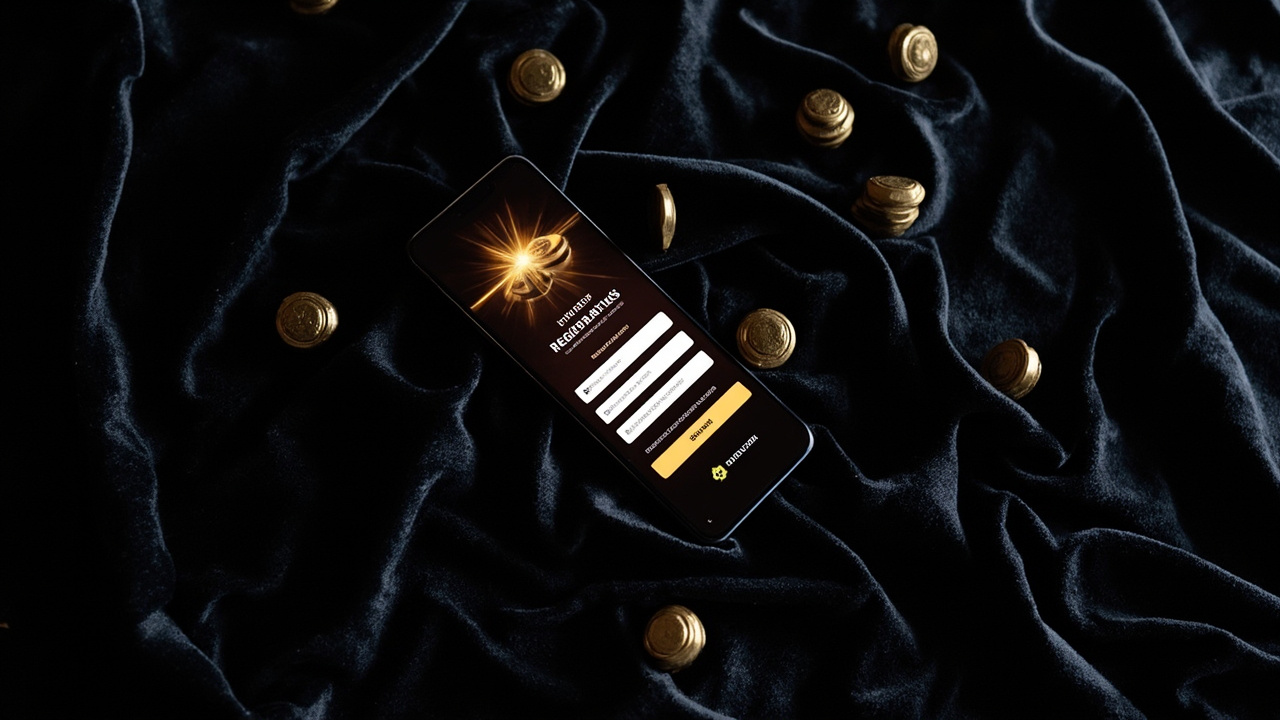
I have seen payment flows that feel like a delayed Sydney train: the ticket is bought, the platform says it is moving, and then you wait for a signal that never comes on the hour you expected. The better pattern is a cashier that confirms the deposit instantly, lets the balance update before the first card is opened, and treats withdrawals as a separate queue with clear processing times rather than a mystery. If a site asks for extra verification only after you have won, that is a sign the onboarding was built for sign-ups rather than settled play. If it asks for the same checks up front and then lets you move money without re-uploading files, the flow is built for actual use. Either way, the rule is the same: never treat verification as something to work around, and never assume a fast deposit means a fast payout.
Session Fit, Limits, and Mobile Use
Scratch cards suit a specific kind of session, and the product should make that obvious rather than pretending every player wants the same thing. Some people want a few quick cards between other activities, with a fixed stake and a hard stop. Others like to pace a small bankroll across a longer arvo, checking results as they go. A well-built platform gives you both without hiding the controls. That means visible limits, a clear balance display, and a mobile layout that does not shrink the card grid into an unreadable mess.
On mobile, the experience should feel as predictable as a packed Melbourne tram at peak hour: lots of people, tight space, but the route still runs on time if the operator has done the job properly. If the touch targets are too small, the stake selector keeps jumping, or the reveal animation blocks the result long enough to cause a second tap, the session turns frustrating. If the card grid fits the screen, the stake buttons stay where your thumb expects them, and the result reads in one glance, the game stays about the cards instead of the interface. The best fit is usually a player who wants instant outcomes, can set a sensible limit before the first card, and is comfortable that the result is random rather than scheduled.
Matching the Game to Your Playing Style
The right way to approach casino rng scratch cards is to treat them as a defined session type, not a substitute for every other game on the menu. If you like fast outcomes and do not want to wait for reels or race laps, this format fits. If you prefer building a longer narrative across a table game or a racing bet, scratch cards may feel too short-lived. The practical match is about pacing and control. Set the stake before you open the card, decide how many cards make a session, and stop when the limit you set is reached. That is the same discipline I apply when I judge a wagering flow: the product should support a clean start and a clean end, not nudge you into extending a session just because the screen looks busy.
For players who want a low-friction entry point, a bonus path can soften the first deposit, provided the terms are readable and the wagering requirements are not buried in fine print. A clear example of that kind of entry point is a rocketplay no deposit bonus codes 2026 for existing players, which is the sort of offer that only makes sense if the cashier, verification, and game selection already behave consistently. The bonus should not be the main reason to play; it should simply be a small extra on top of a platform that already handles money and outcomes in a straightforward way. If the base experience is messy, a bonus only makes the confusion more expensive.
When the cashier is tidy, the RNG logic is isolated from the animation, and the mobile layout keeps the card grid readable, the format earns its place as a quick, self-contained session. When any of those pieces is sloppy, the cards are still random but the experience around them is not worth the stake.
Played with a fixed limit and a clear exit point, casino rng scratch cards can be a tidy way to spend a short session without pretending the outcome is anything other than chance.
